Enhancing Walls With Proper Moisture Management
Moisture control is a critical aspect of building maintenance. Excess moisture can lead to mold, structural damage, and poor indoor air quality. Managing this begins with understanding how materials react to water. Drywall, commonly used for interior walls, plays an important role here. By ensuring proper finishing techniques, you can reduce potential moisture-related issues. This article looks into methods and benefits of employing specific finishing strategies to enhance moisture management.
Understanding Moisture’s Impact on Building Materials
Water can be both beneficial and harmful when it interacts with building materials. High moisture levels can cause wood to swell or rot, metal to rust, and drywall to weaken. The latter is especially vulnerable as it’s a porous material. Without proper care, it absorbs water quickly. This absorption can lead to bulging or breaking. Buildings need effective strategies to guard against these effects.
The Importance of Using Specific Finishing Techniques
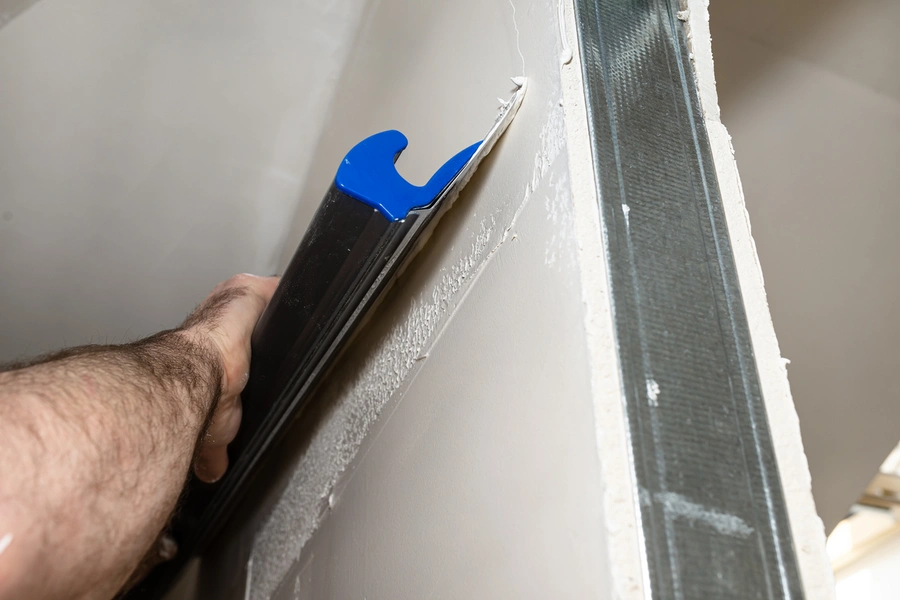
Effective finishing techniques help protect drywall surfaces from moisture infiltration. When done correctly, drywall finishing seals joints and creates a barrier against water entry. It involves applying joint compounds and tapes at the seams, ensuring that no gaps exist where water could seep through. This not only increases the wall’s lifespan but also reduces the risk of mold growth.
Key Steps in Proper Drywall Installation
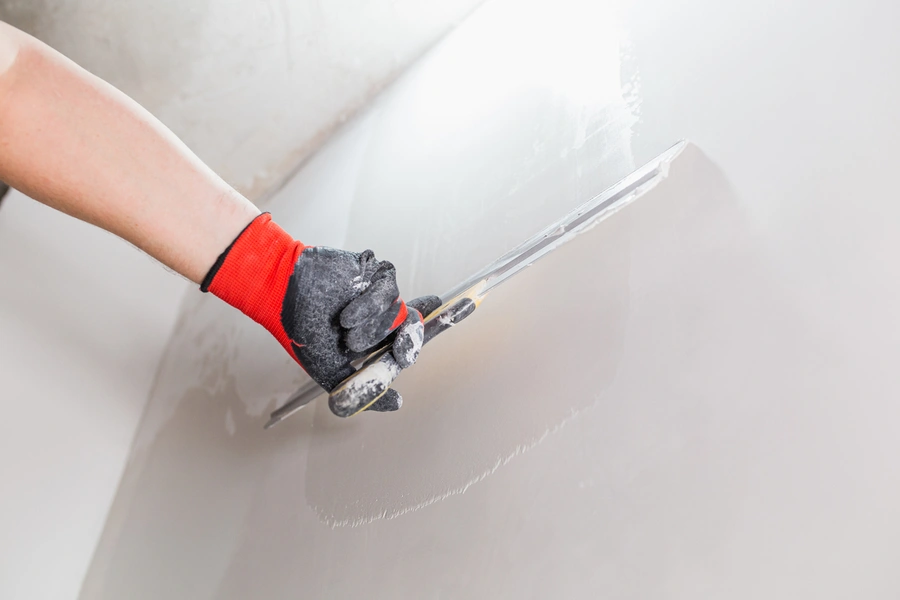
Proper installation starts long before the actual drywall finishing. Firstly, make sure the space is well-ventilated during construction. Secondly, use moisture-resistant drywall types like green board or cement board in areas prone to humidity. Thirdly, apply a primer after installing the drywall sheets. A high-quality sealer further enhances protection by creating a non-permeable layer over the entire surface.
Benefits of Moisture-Resistant Wall Systems
- Prevents mold and mildew formation
- Reduces maintenance costs due to less frequent repairs
- Improves indoor air quality by preventing mold spores
- Extends the lifespan of interior walls
Common Challenges Faced During Installation
Several challenges arise during drywall installation, impacting its effectiveness in moisture control. Inadequate sealing of joints may allow water penetration, leading to damage over time. Additionally, using incorrect materials can defeat the purpose of moisture resistance. It’s essential to choose materials suited for high-moisture environments and follow best practices in application.
Solutions for Effective Wall Protection
To ensure optimal performance, consider implementing additional measures alongside basic drywall finishing techniques:
- Select appropriate moisture-resistant panels for different areas.
- Ensure all seams are tightly taped and sealed.
- Use anti-mold additives in paint or primers for extra protection.
- Regularly inspect finished walls for signs of damage or wear.
Cost Considerations and Value
Investing in high-quality finishing materials might seem costly upfront. However, considering long-term savings from reduced repair needs and enhanced durability makes it worthwhile. Strategically investing in quality products protects your property value by ensuring that interiors remain structurally sound and visually appealing.
Your Path to Better Building Practices
Protecting your property’s interior starts with thoughtful design choices and attention to detail during installation. For those interested in enhancing their structures’ resilience against moisture, contacting experienced professionals is crucial. At ES Quality Drywall Installation & Repair, we specialize in helping clients with tailored solutions designed for their unique needs. Call us today at (669) 257-9015 to discuss your requirements further. Based in Los Gatos, CA, our team offers comprehensive services aimed at improving your home or business’s integrity.